Turmeric: Right Idea, Wrong Amount
Short version: this is a legitimate ingredient at an illegitimate quantity, and that is the whole verdict in one line.
The ingredient is fine
Curcumin is one of the better-evidenced things anyone could put in a joint supplement. It has been tested in knee osteoarthritis across a number of randomised trials, several reporting reduced pain and stiffness, and a few comparing favourably against anti-inflammatory drugs on symptom measures with fewer stomach complaints.
The mechanism is real too — it interferes with NF-κB signalling and other inflammatory pathways, and the joint lining in osteoarthritis is genuinely inflamed. This is not a decorative ingredient chosen because the name is fashionable.
The amount is not
Roughly 35 mg of curcuminoids per capsule. The trials used 500 to 1,500 mg daily.
A tenth to a fortieth of the studied dose
That is the entire basis of our verdict on this ingredient. It does not mean nothing happens at 35 mg. It means the research people cite when selling turmeric was testing something an order of magnitude larger.
And half of it cannot be checked
Two turmeric entries on the panel. The 30 mg one states 95% curcuminoids, so 28.5 mg of it is the compound that matters — verifiable by anyone.
The 75 mg one states "4:1", which describes how much root was concentrated during manufacture rather than what came out. Ratio extracts are typically far weaker on the marker compound than standardised ones, and this is the larger of the two by weight.
So the majority of the turmeric here cannot be turned into a number. Our 35 mg figure includes a generous allowance for it; a stricter reading gets closer to 28.5 mg.
The absorption point, fairly
Piperine raises curcumin absorption around twentyfold, which is substantial and genuinely to the formula's credit. But it multiplies what is in the capsule rather than adding more — and the trials behind the 500 mg figure mostly used enhanced formulations themselves, so the multiplier applies on both sides.
Check before taking
- Blood thinners — curcumin affects clotting and adds to warfarin, aspirin and clopidogrel
- Surgery — usually stopped about two weeks beforehand; tell the surgical team
- Gallstones — turmeric stimulates bile production and is generally avoided
- Diabetes medication — curcumin may lower blood sugar too
- Liver — rare reports of injury with concentrated supplements, more often with high-absorption formulations
More is not automatically safer. If you want a properly dosed curcumin product, that is a pharmacist conversation rather than a decision to make from a website.
Sources
Also on the panel
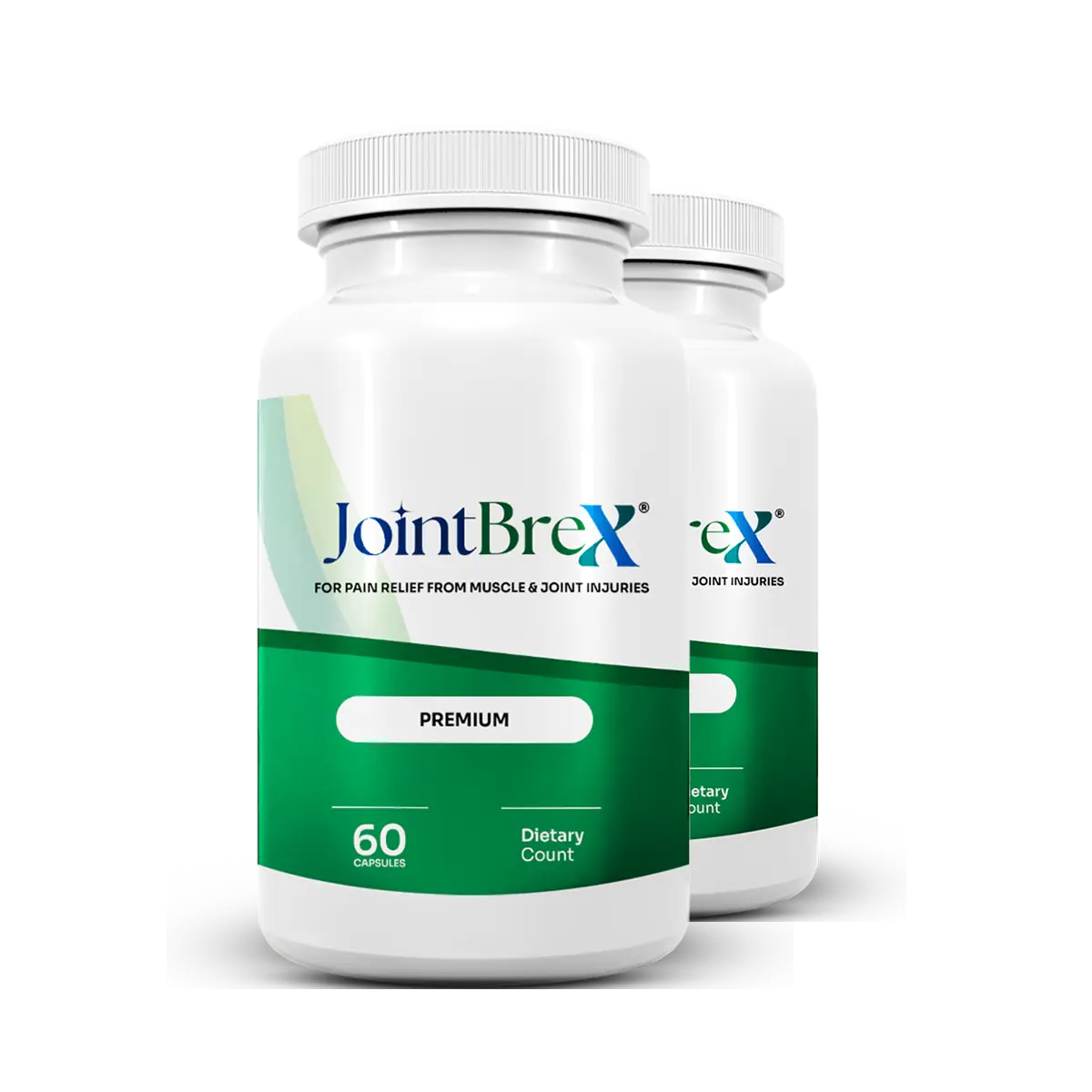
Pricing, and the Three Things to Check
Plenty of people will read the verdict and buy it anyway. That is a legitimate call to make with the facts in front of you. The pricing page has the current totals, the figures that contradict each other, and the interactions to raise with a pharmacist.
Pricing and Cautions →