Verdict first. Reasoning after. If the first paragraph is all you needed, that is a successful visit as far as we are concerned.
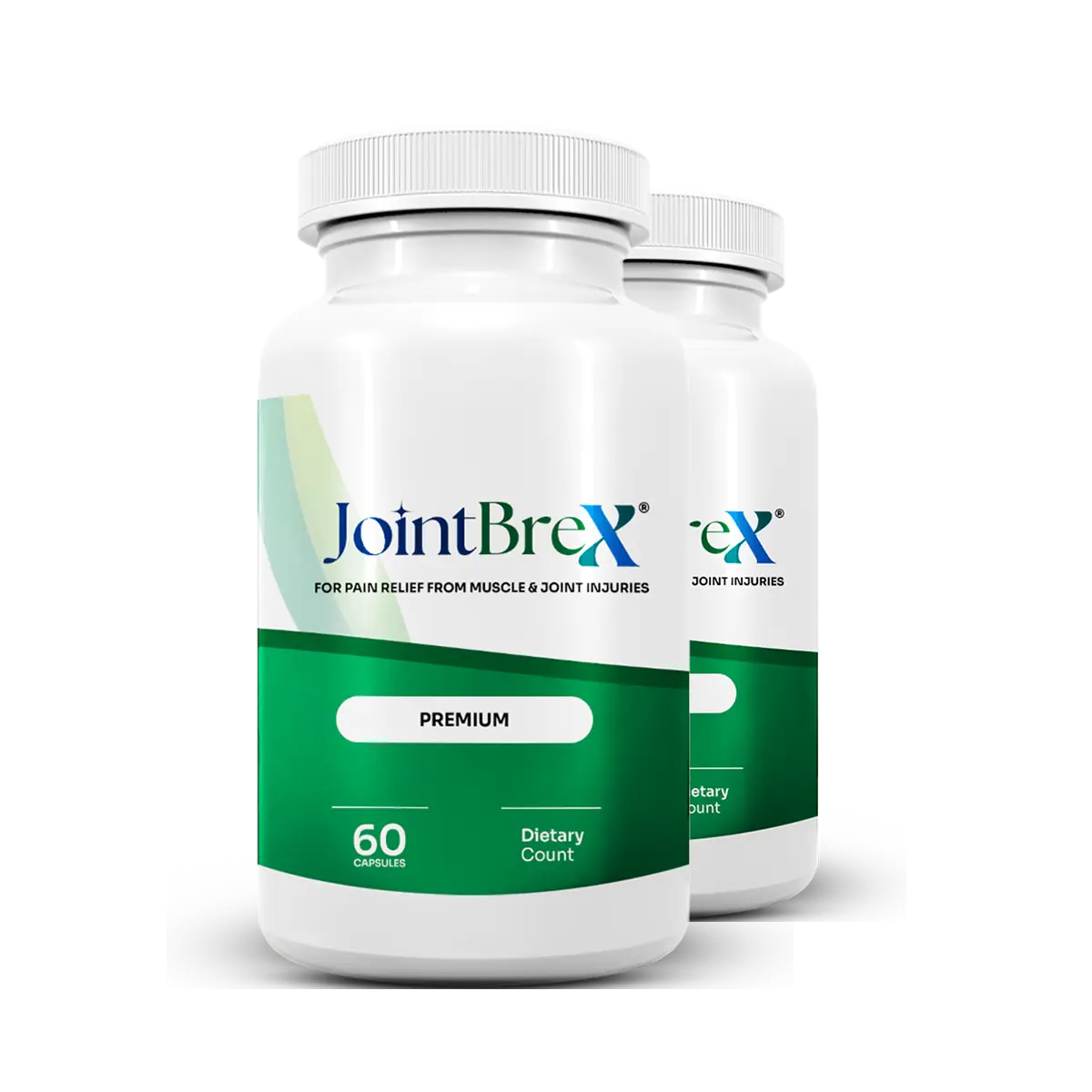
JointBrexNot recommended, on two grounds
One: roughly 35 mg of curcuminoids per capsule, where the trials behind turmeric's joint reputation used 500 to 1,500 mg daily.
Two: the sales page advertises six ingredients and five of them are absent from the bottle's Supplement Facts panel.
The first is a value judgement you could reasonably disagree with — a low dose is disclosed, not hidden. The second is not a matter of opinion.
Reasoning one: the dose
The panel carries two turmeric entries. The 30 mg one states 95% curcuminoids, giving 28.5 mg of the compound the research is about. The 75 mg one states a 4:1 ratio, which describes how much root was concentrated during manufacture rather than what came out — and it cannot be converted into a curcuminoid figure by anyone reading the label.
Being generous about the unknown portion gets you to roughly 35 to 40 mg per capsule. The research range starts at 500 mg.
That is between a tenth and a fortieth of what the studies used. It does not mean nothing happens. It means the evidence people cite when selling turmeric was generated under conditions this product does not reproduce.
Reasoning two: the label does not match the advertising
The sales page describes Glucosamine Sulfate, Chondroitin Sulfate, Boswellia Extract, Turmeric, MSM and Bromelain. Only turmeric appears on both documents.
It goes further than the ingredient list. The label directs one capsule daily; the sales page says two. The panel states 30 capsules; the sales page and the bottle artwork say 60. The sales page carries a crustacean shellfish warning — appropriate for a glucosamine formula — on a product listing no shellfish-derived ingredient.
And the supporting material does not fit either. The page's ten scientific references concern gut bacteria, type 2 diabetes and weight-loss botanicals. An expert quote recommends the product for dizziness and vertigo. All five bonus guides address nerve pain in the hands and feet.
Our reading is that this is a landing page recycled from a template used for other supplements, with joint copy written over it. That is dull rather than sinister — and it still means the advertising cannot be relied on for anything you cannot check yourself.
Reasoning three: the price
At $294 for six bottles and one capsule daily, the kit runs 180 days at about $1.63 — roughly $4.66 per 100 mg of curcuminoids. A plainly labelled standardised extract supplies many times the dose for a fraction of that per milligram.
If the sales page is correct that two capsules are needed, every figure doubles.
Reasoning four: what we would do instead
- Get the joint looked at if you have not. Inflammatory arthritis, gout and joint infection all present as joint pain, all are treatable, and all get missed by people self-treating with supplements.
- Exercise and strengthening. Top of every clinical guideline for osteoarthritis, and free. Stronger muscles around a joint mean the joint carries less.
- Weight management where it applies. Body weight becomes multiplied force through a knee with every step.
- Physiotherapy. Roughly the price of a kit, and you keep the programme rather than consuming it.
- If you still want turmeric, buy a plainly labelled extract with the curcuminoid content printed.
What the product does well
Worth including, because a verdict that finds nothing good is usually a lazy verdict.
The BioPerine is correct — right ingredient, standard 5 mg dose, solving a real absorption problem that many cheaper turmeric products ignore entirely. The manufacturing claims are stated accurately, describing an FDA-registered facility rather than implying FDA approval. And the label's own health claim is lawful and modest.
None of that outweighs the two grounds at the top, but it should temper how the verdict is read. This is not a scam product with nothing in it. It is a small dose of a reasonable ingredient sold on a description that does not match.
What would change our mind
A photograph of the Supplement Facts panel from a recently purchased bottle showing a different formula. If the label we worked from is outdated and the product genuinely contains glucosamine, chondroitin, boswellia, MSM and bromelain at meaningful amounts, reasoning two disappears and the verdict needs rewriting.
We would rather be corrected than be confidently wrong, and it is the single most useful thing any buyer could send us.
Sources
The Price
Set by the manufacturer and sold through BuyGoods. The sales page prints more than one price for the same quantity, so read the checkout total before you confirm.
- Lowest per-bottle rate
- Includes the 5 digital bonuses
- 60-day guarantee
The crossed-out figures are the manufacturer's own reference prices and we found no evidence of sales at them, so ignore the apparent discount. "See Details" opens our pricing page, which links to the official checkout. We may earn a commission at no extra cost to you.
Pricing, and the Three Things to Check
Plenty of people will read the verdict and buy it anyway. That is a legitimate call to make with the facts in front of you. The pricing page has the current totals, the figures that contradict each other, and the interactions to raise with a pharmacist.
Pricing and Cautions →